The fact that "Port" and "Haven" mean the same thing has vexed generations of geographers and etymologists…
Category: Encyclopedia Realmgardica
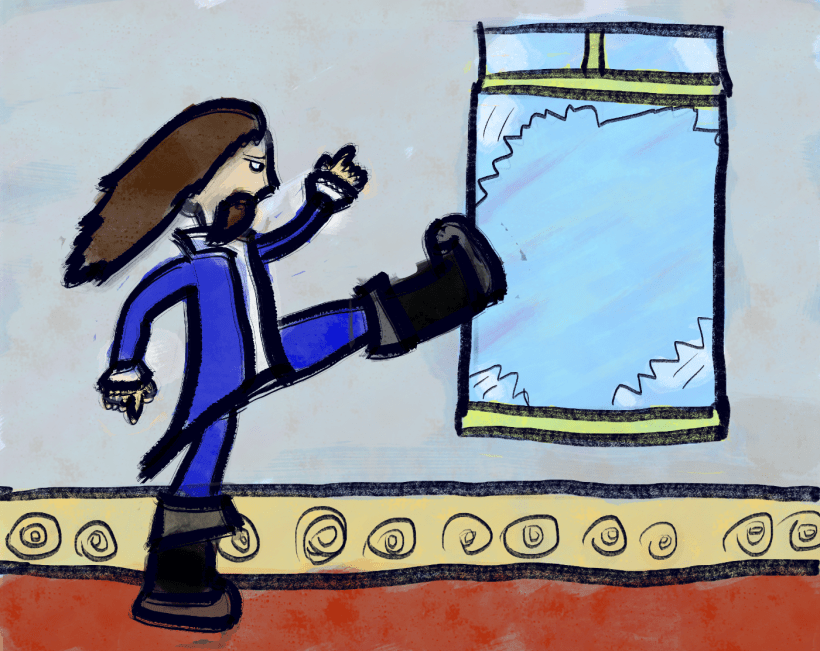
Realmgard History Lessons: Blackboots
The man responsible for the First, Third, and Seventh Defenestrations of Goldharbour.
Realmgard History Lessons: Greybeard
Son of a cheesemonger, one of the most important pirates in Realmgard's history.
Realmgard History Lessons: Pherais
Bad luck is not seen as a sign of the disfavour of Pherais. Indeed, Pherais is often venerated as the goddess who ends bad luck.
Realmgard History Lessons: The Brotherhood of the Coasts
n truth, most of Realmgard’s pirates are properly privateers and this privateering is sanctioned by the Brotherhood of the Coasts, which liaises between the various governments of Realmgard and its members.
Realmgard History Lessons: Auriwandalo
Among the most famous operas in Realmgard is a six-part epic Natalian retelling of Auriwandalo's life, reign, and death in battle in Aurora — famously, the fifth part consists solely of his death monologue.
Realmgard History Lessons: Emperor Theobald
The Midlandic Kingdom reached its zenith under Theobald, who completed the Kingdom’s conquest of approximately a quarter of Realmgard’s landmass, securing control of the largest polity in Realmgard since the collapse of the Elven Empire.
Realmgard History Lessons: Iona
While Aeto often appears in the guise of a humble wanderer, Iona is never depicted as anything other than a regal monarch. It is said that while Aeto goes off the wander the mortal world, Iona rules over the gods in his stead as his trusted regent.
Realmgard History Lessons: Aeto
Numerous myths depict Aeto wandering through the mortal world, subtly aiding the upright and punishing the wicked. In fact, the stories of the creation of Terrace often begin with Aeto’s wanderings through the cosmos.
Realmgard History Lessons: Misa
Misa is best known for her role as the goddess of mercy and compassion. In most images, she is depicted as sullen or sorrowful, though symbolic images of a jubilant Misa have been used in allegorical images to commemorate notable historical peace treaties or particularly notable acts of charity.