Tír na nÓg is where the Elves live in Irish mythology.
And, apparently, a pub in Kingston, Ontario. Also, pretty much anywhere else someone even remotely Irish has opened a pub…
Keep in mind that in the original Irish mythological context, “Elf” and “Fairy” are basically interchangeable, representing an otherworldly — to the point that where they live is literally the Otherworld — and supernatural, if not outright divine, class of beings. The Irish Elves are most commonly known as either the Tuatha Dé Danann, meaning “tribe of the goddess Danu” or the Tuatha Dé (“tribe of the gods”).
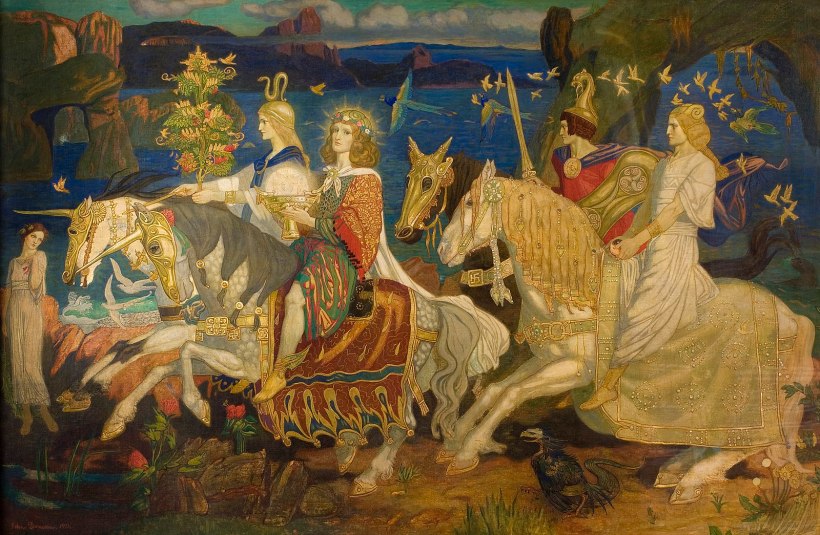
Cute little fairies are largely a Victorian thing, Tolkien’s Elves are a conscious attempt to make them less like that, and a lot of modern Fantasy Elves tend to try to play up the otherworldly, Celtic mythology qualities.
At which point we circle back to the point that Tír na nÓg is where the Elves live.
The name means “Land of the Young”, presumably a reference to the fact that Elves don’t grow old, or even apparently experience the passage of time at all (more on that later).
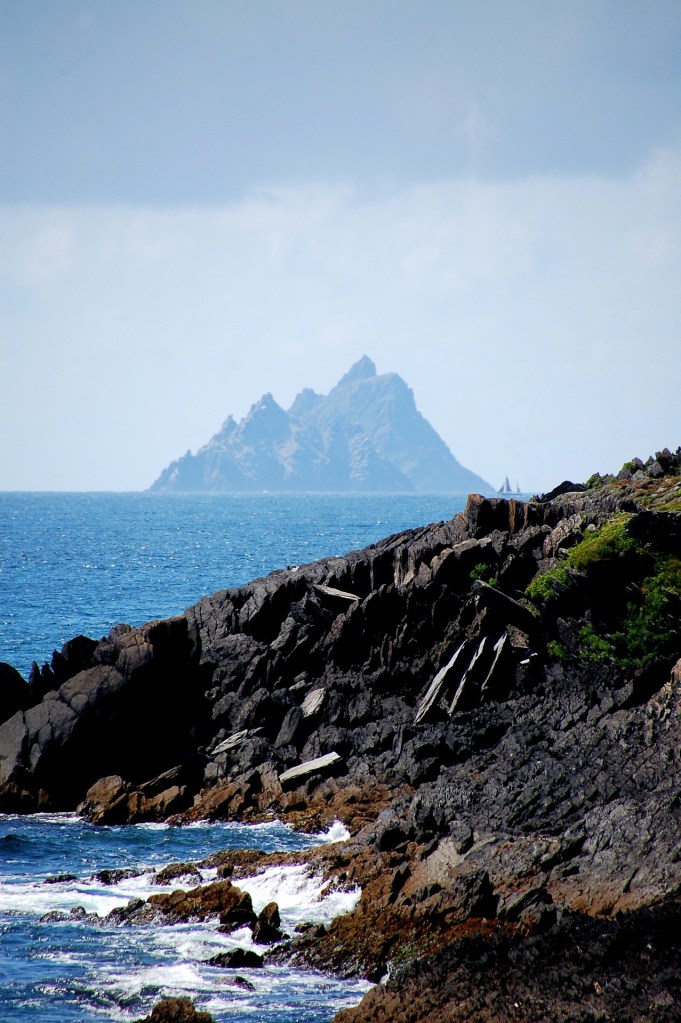
Image by Manuel from Pixabay
Tír na nÓg is a realm of paradise beyond the edge of the human world, accessible through crossing some kind of mythologically significant boundary — through a cave or a burial mound (notably the Irish word for Fairy comes from the word for those burial mounds), by going underwater or across the sea.
Funnily enough, Tolkien is on record as not particularly liking Celtic mythology, but it’s hard not to read that description of Tír na nÓg and think “Hey, that’s basically Valinor!“
Incidentally, if you’re approximately my age — which, as far as you’re concerned is 25, and always will be — you may also recall that Tír na nÓg featured in short-lived late 90s Fantasy adventure show Mystic Knights of Tir na Nog.
I’m unclear if the series title is or isn’t supposed to be written with proper Irish orthography; it seems to vary between sources.
Or not. It didn’t exactly set Pop Culture on fire…
But I was super into it. Also, it was — much like David Hasselhoff — apparently rather popular in Germany. For what it’s worth, it’s at a 6.7 on IMDB, which seems fantastic for a late-90s children show.
Which I swear is supposed to be a compliment…
It was basically Irish Mythology Power Rangers, to the point of also being a Haim Saban series. Though, notably, Mystic Knights was not stitched together out of footage from an earlier Japanese series…
I’ve mentioned Celtic Woman in passing a few times in the past, most relevantly while pointing out that they provided the bulk of the soundtrack for the second Endless Ocean game.
Endless Ocean: Nintendo and Arika.
Fundamentally, Celtic Woman is a fantastic demonstration of the Ship of Theseus, in that a group called “Celtic Woman” has existed in some form since 2004, but its membership cycles through new people pretty consistently and frequently — going back to my Endless Ocean recommendation, you’ll recall that I mentioned Hayley Westenra, who provided the music for Endless Ocean 1, was herself a member of Celtic Woman for a while.
Notably, Oonagh (the one in the green dress; she has apparently changed her stage name to Senta) is not actually a member of Celtic Woman, though she has collaborated with Celtic Woman both for the Tír na nÓg video and several live performances. For the most part, she’s basically a German equivalent of Celtic Woman, performing the same style of music and incorporating a lot of Tolkien-based themes into her music (e.g. Orome being one of the Valar), to the point of singing in Elvish in some of her songs.
Actually, listening to Orome while writing this post, I’m getting a lot of the same vibes from the second opening from Lodoss War.
Which in turn reminds me of the music from the forest area of Xenoblade X…
At which point we circle back to the point that Tír na nÓg is where the Elves live.
If the lyrics of Tír na nÓg aren’t supposed to be about the story of Niamh (pronounced “Neev”; the name should look familiar) and Oisín (pronounced like “Aw-shen”, also like “ocean” but with an A sound at the beginning), they’re clearly invoking Niamh and Oisín.
In brief: Niamh is an Elf, Oisín is a Human warrior belonging to a band of warriors called a fiann (plural fianna; cf. the Irish political party Fianna Fáil). They fall in love. Niamh brings Oisín back to Tír na nÓg. He discovers that 300 years in the Human world have passed during the time he spent in Tír na nÓg. He goes back to Ireland, warned not to dismount from his horse.
You, uh, can probably tell where this is going…
Inevitably, he falls off his horse, instantly ages 300 years and then dies. Possibly living long enough to relay all of this to St. Patrick, depending on the version.
Each verse of the song is a (presumably female) Elf trying to coax her mortal beloved into coming back to Tír na nÓg. For example:
“From the shores through the ancient mists
You bear the mark of my Elven kiss
Clear the way, I will take you home
To eternal bliss.”
In fact, “Come with me to Tír na nÓg.” are probably the most common words in the song…
FYI: if you can’t tell what language they’re singing in the song’s chorus, that’s because it’s apparently a language that Oonagh made up specifically for the song — though “Tír na nÓg” is, of course, real Irish…
Also, despite being musically pretty catchy and lyrically basically a love song, it ends on a pretty ominous note, especially considering how Oisín ended up on his own return from Tír na nÓg:
Time won’t follow the path we came
The world you left, it forgot your name
Stay with me and be mine, my love
Spare my heart the painSo, basically, “Never leave me, because everyone you ever loved is dead“…
Lyrics via Genius.
Though, if anything, that actually kinda fits the whole “Elves are actually pretty creepy and don’t really understand the confines of Human mortality” thing traditional Elves have going on.
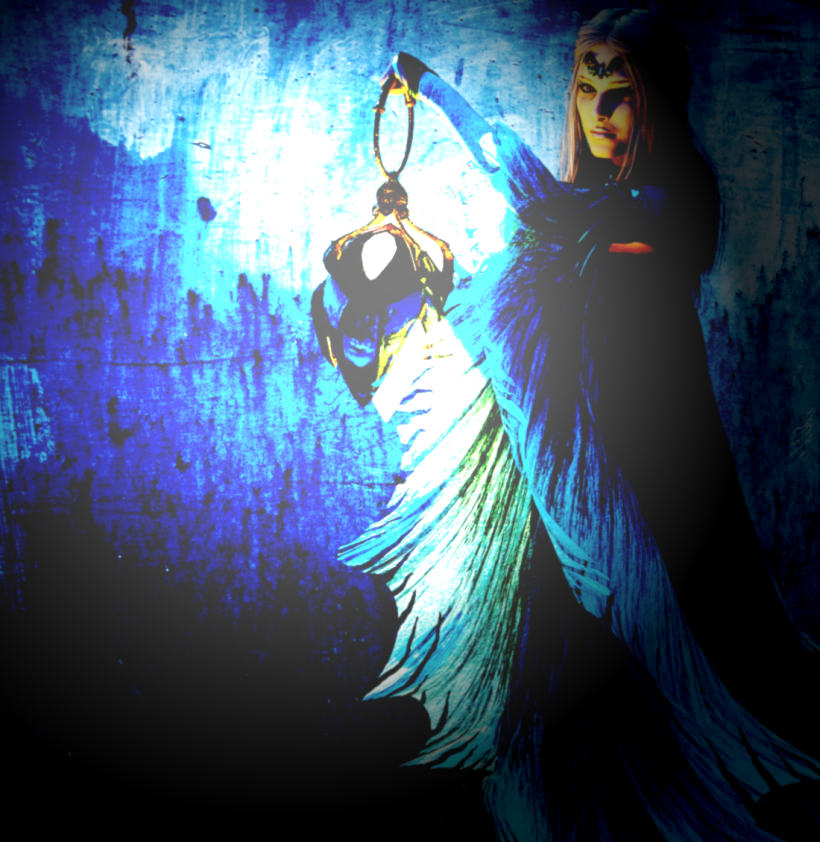
from Pixabay.
But, like, hey, a gorgeous Elf wants you to be her boyfriend.
Forever…
So, I guess decide for yourself if that’s a deal-breaker or not:
The official Music to Write Realmgard to playlist has been updated to include this latest entry:
And follow me here:
If you’ve enjoyed my content, please consider supporting me through Ko-fi or Patreon, or through Paypal by scanning the QR code below:

Follow Realmgard and other publications of Emona Literary Services™ below:
Subscribe to the Emona Literary Services™ Substack newsletter here.

This work is licensed under a Creative Commons Attribution-NonCommercial-NoDerivatives 4.0 International License.
The author prohibits the use of content published on this website for the purposes of training Artificial Intelligence technologies, including but not limited to Large Language Models, without express written permission.
All stories published on this website are works of fiction. Characters are products of the author’s imagination and do not represent any individual, living or dead.
The realmgard.com Privacy Policy can be viewed here.
Realmgard is published by Emona Literary ServicesTM
