Sharing similarities with both lizards and birds while not really resembling one more than the other and thus defying any other neat categorisation, the creatures have been given what it is agreed to be the least bad name for scientific purposes.
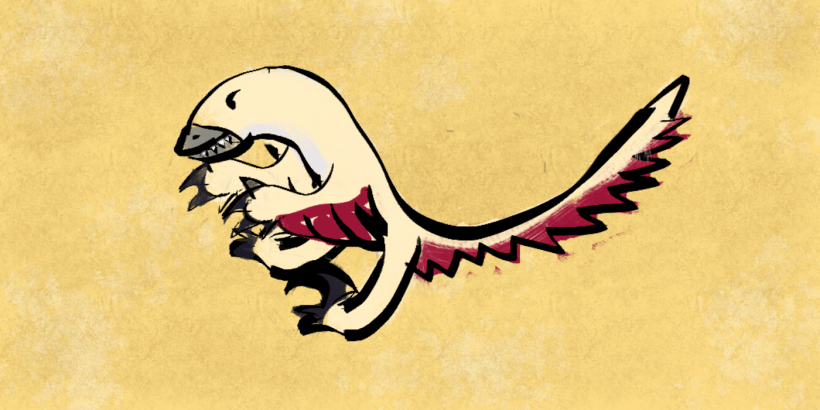
Sharing similarities with both lizards and birds while not really resembling one more than the other and thus defying any other neat categorisation, the creatures have been given what it is agreed to be the least bad name for scientific purposes.
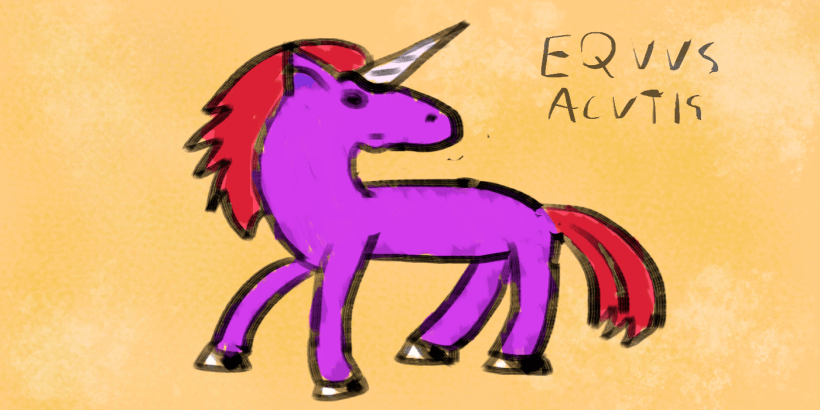
Equus acutis.
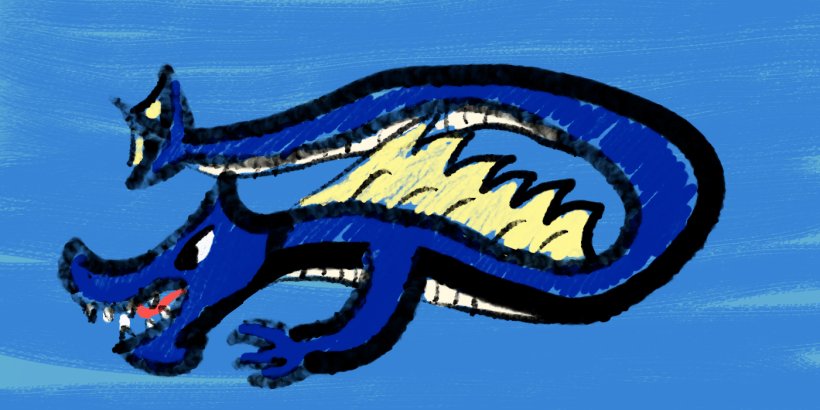
Generally held to be related to terrestrial Dragons, the great sea serpents known as Orcs as also commonly called Sea Dragons. However, the exact degree to which terrestrial Dragons and Orcs are related remains a subject of some debate.
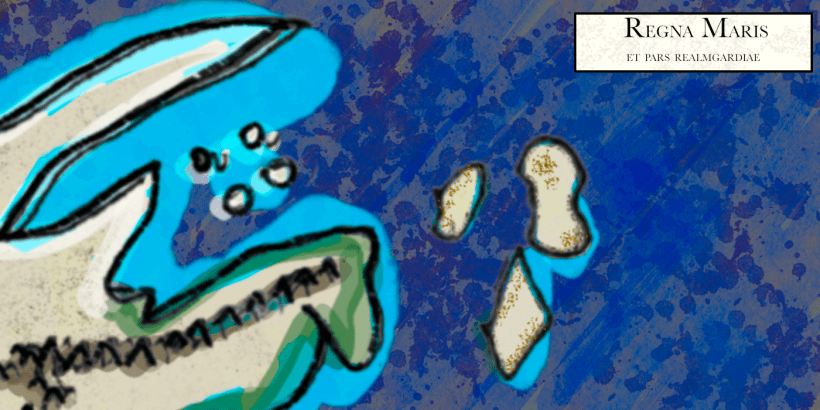
While geographically separate from the continent of Realmgard, the island nations known as the Kingdoms of the Sea are generally considered part of the Realmgardian cultural sphere.
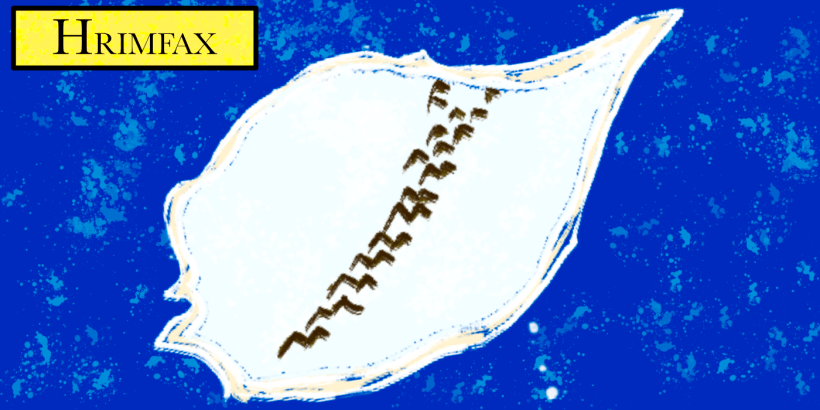
The island off the northeastern mainland of Realmgard is known by a name which in the local language means "Frost Mane", most likely a reference to the sight of blown snow billowing off the island's numerous mountains.
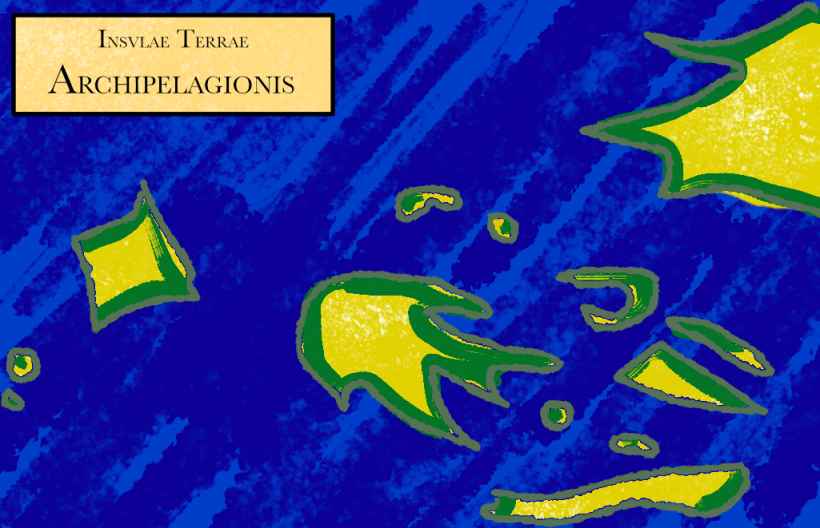
Generally regarded as the cradle of Realmgardian civilisation, Archipelago is the homeland of the Elven refugees who laid the earliest foundations of the Elven Empire in Realmgard
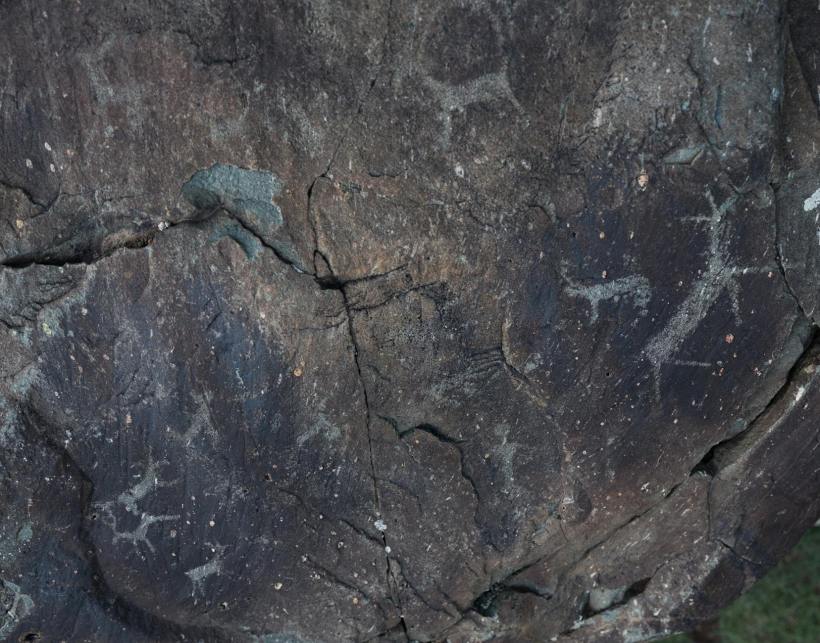
For June, I'm doing 30 Days of the Natural History of Realgmard. Here's Week 2.

The Turboshark name derives from the old Elven word for "whirlwind."
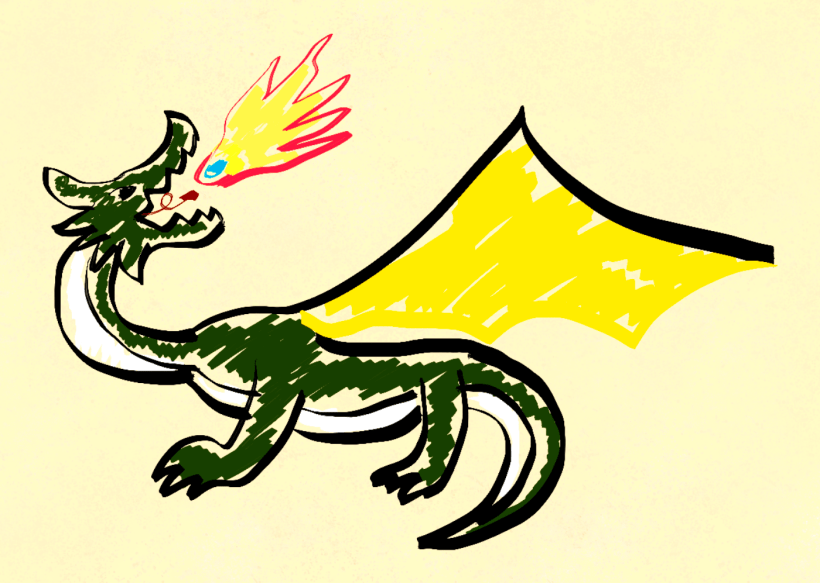
Although Dragons are among the most famous creatures in Realmgard and feature prominently in art, folklore, and heraldry, in real life, Dragons are rare to the point that some particularly pessimistic naturalists contend that they are now extinct.
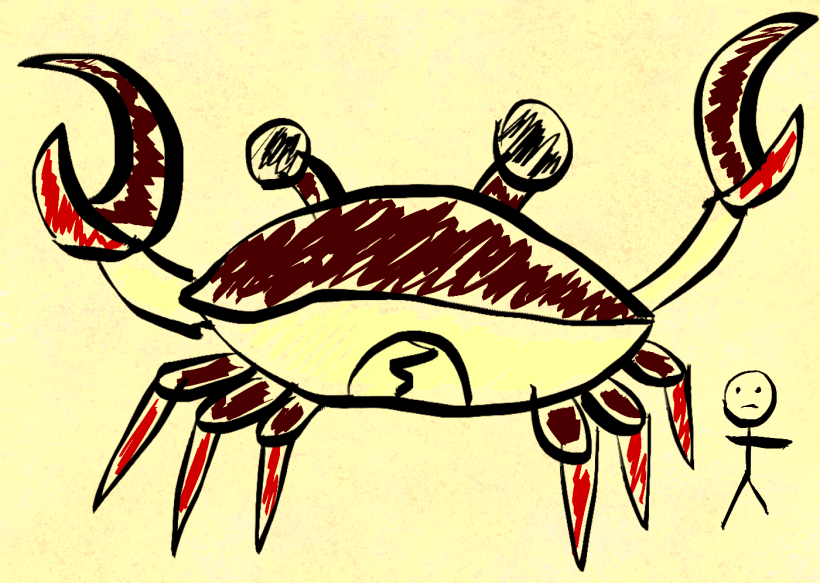
In addition to Gigacrab carapaces being an exotic but effective material for arms and armour, Gigacrab meat is considered a delicacy by certain eccentric gourmands.
