You may be wondering what a Greatest Living Author reads when he’s not writing. Well, how about the weird Narnia book?
In fact, you might even say it’s the Black Sheep in the series.
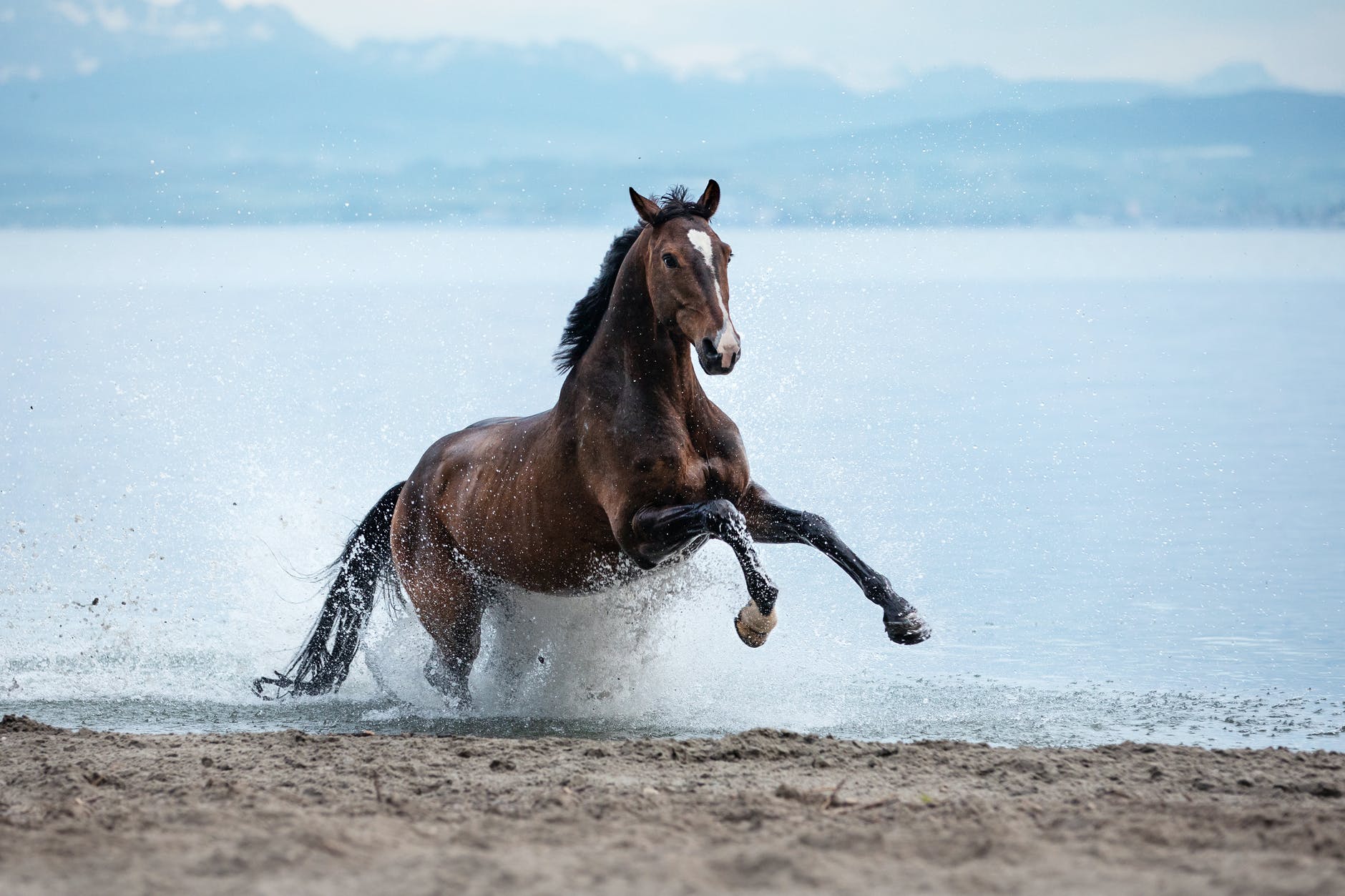
Photo by Missi Ku00f6pf on Pexels.com
Naturally, I am referring, of course, to The Silver Chair.
Naturally, that is, of course, a joke.
If you’ve read the Narnia books, you’ve probably guessed that I’m talking about The Horse and His Boy.
If you haven’t read the Narnia books, this is the part where I say I’m talking about The Horse and His Boy.
While Narnia isn’t quite as big a name in Fantasy as, say, Lord of the Rings or The Hobbit — though, of course, C.S. Lewis and J.R.R. Tolkien were famously friends and confidants as members of the Inklings (no, not those Inklings) — it is still a pretty big name in the genre.
Now, although there are seven Narnia books, there’s only about three or four good ones, and you’ve probably only ever read The Lion, the Witch and the Wardrobe, which is far and away the most popular (and admittedly, probably the best) book in the series.
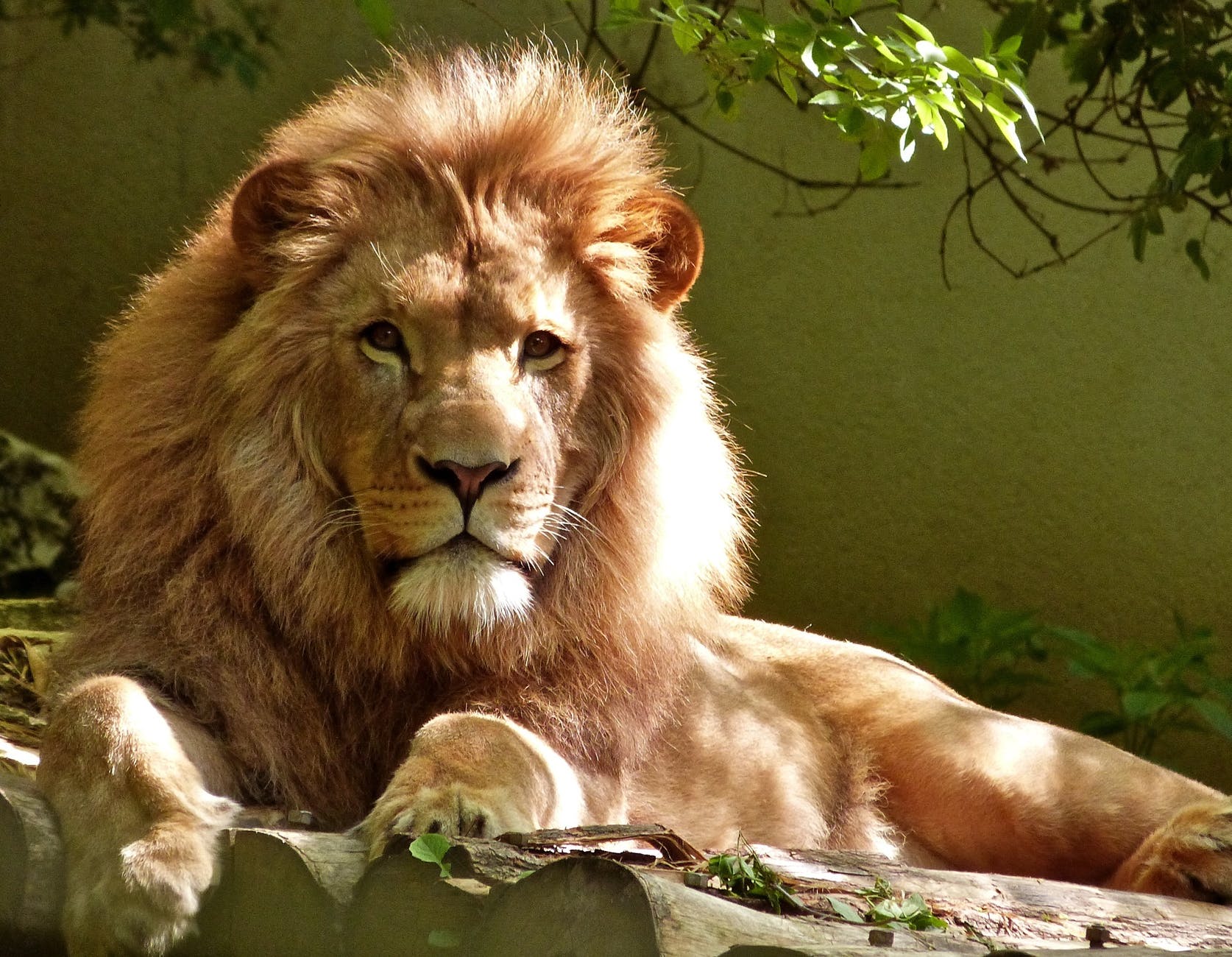
Not pictured: Witch, Wardrobe.
Photo by Pixabay on Pexels.com
Lion, the Witch and the Wardrobe is probably one of the two most straightforwardly Fantasy-y (with talking animals) Narnia book. Prince Caspian is also a pretty standard Fantasy story, being a Hero’s Journey, coming-of-age, Rightful King Returns story (with talking animals) Magician’s Nephew and Last Battle get into some pretty deep metaphysical and philosophical stuff (with talking animals), Voyage of the Dawn Treader and Silver Chair have some really weird stuff going down (with talking animals).
Which brings us to The Horse and His Boy, my favourite Narnia book. Largely by virtue of being the Weird One.
While it doesn’t have the same thematic or philosophical weirdness, or weird, outlandish characters and plot devices as some the rest of the series, Horse and His Boy is the weirdest Narnia because it doesn’t really fit in with the other six stories: Wardrobe is the central, important book, Prince Caspian is the sequel that furthers the history of Narnia, Dawn Trader and Silver Chair are sequels about Caspian’s reign as king; Magician’s Nephew is the prequel that explains how we got to the Narnia in Wardrobe, and Last Battle ties up the whole series in a pretty (and rather unsatisfactory, as I recall) package.
Photo by Karolina Grabowska on Pexels.com
But, yeah, Horse doesn’t really fit in neatly in the series. The familiar characters only make cameo apprentices, it doesn’t contribute to the series’ overall myth arc. There’s really only four characters in the story (the Boy, the Horse, the Girl, and the Girl-Horse).
Most of the story doesn’t even take place in Narnia itself.
Most of the plot involves said Boy — I’d post a link to his article on the Wiki, but I can’t do that without spoiling certain details; perhaps proceed with caution around all these links — Horse, Girl, and Girl-Horse escaping their previous lives by riding across the desert.
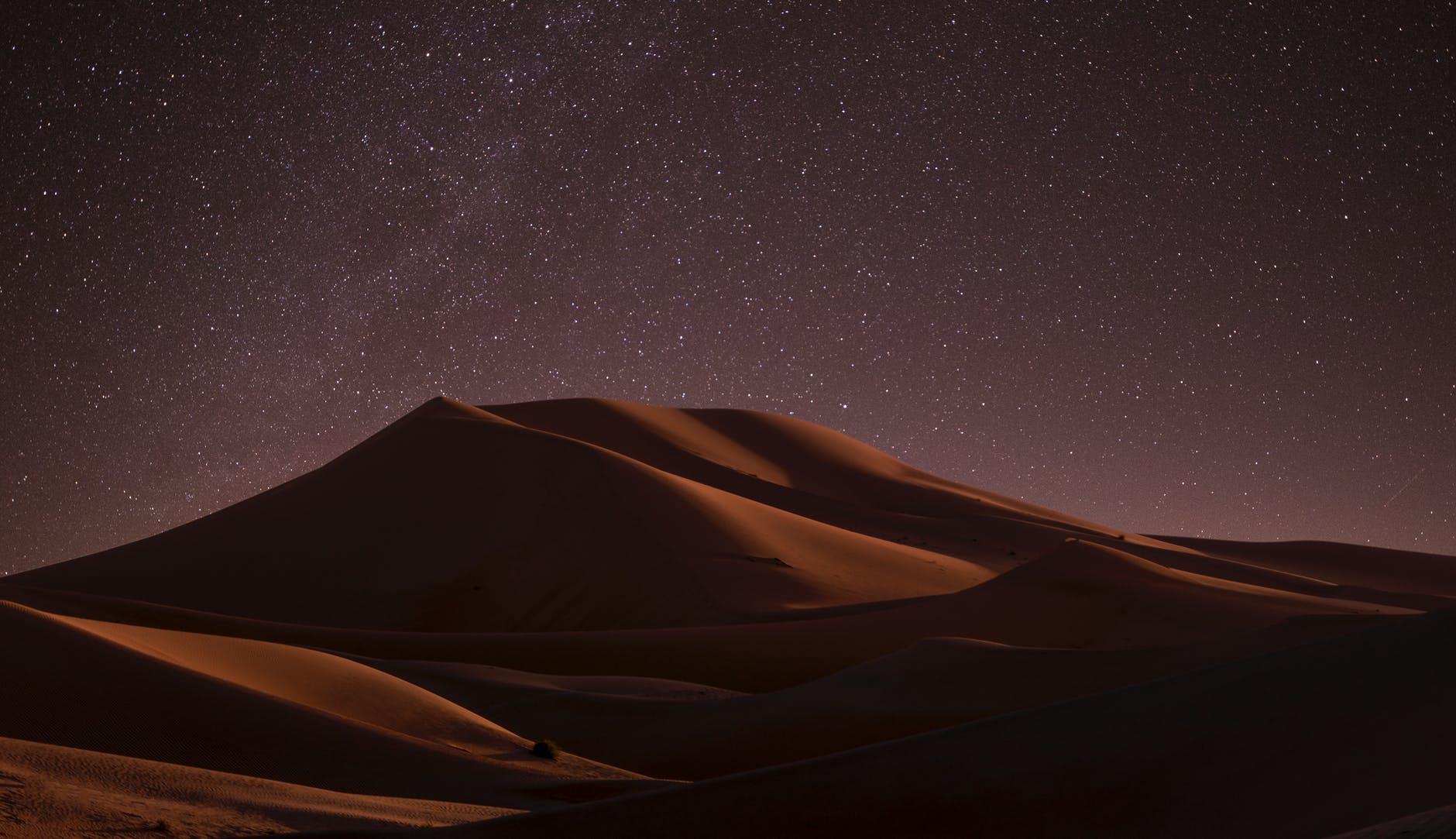
Photo by Walid Ahmad on Pexels.com
Which brings us to the uncomfortable part of The Horse and His Boy.
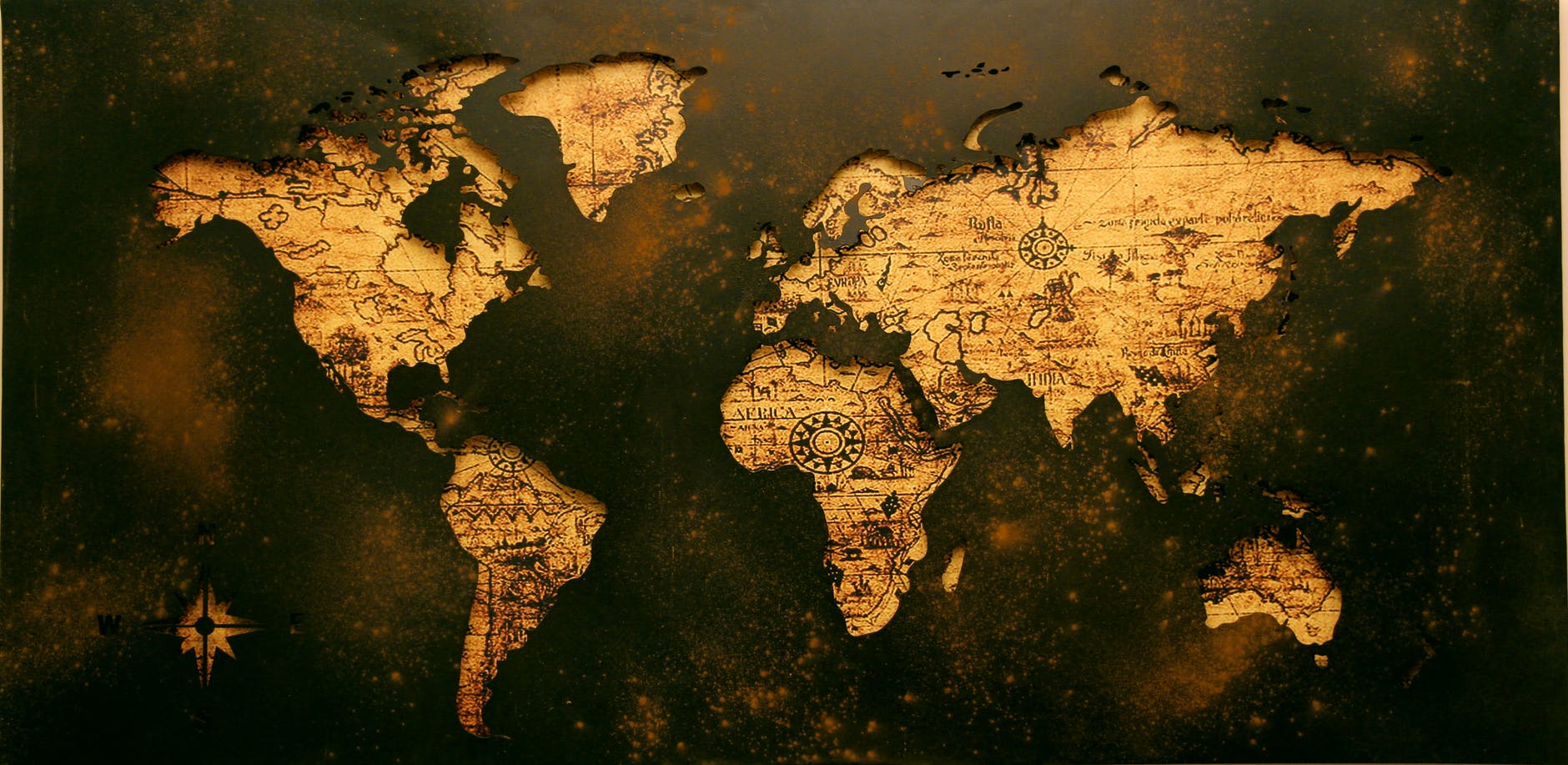
Long story short: the story’s setting, Calormen, is clearly inspired by the medieval Middle East and it’s not presented as a very nice (or even well-written) place.
While there are sympathetic Calormene characters, most of them are some combination of stupid, useless, or cartoonishly evil.
Now, considered in a vacuum, the specific villain characters fill their roles as Children’s Book Antagonists pretty well. They’re an entertaining combination of bombastic and ineffectual and they all end up getting what they deserve. The problem, however, is that they’re essentially villains by virtue of being Not From Around Here.
Congratulations, you’ve learned how to Do Writing.
Photo by Aaditya Arora on Pexels.com
Granted, the issue isn’t that the Calormenes are somehow inevitably, inherently evil; it’s that they live in a culture and society that basically values and glorifies being a jerk. That doesn’t necessarily make it better, though, and still comes across as rather Eurocentric, xenophobic and super Orientalist. And, just fundamentally, the culture doesn’t get much depth or development and really only exists to serve as the evil counterpart that reminds us how upright and enlightened and generally decent Narnia is.
Also, their god is basically Narnia Satan.
… Yeah, it’s, uh, it’s not great.
This is perhaps somewhat mitigated by the fact that Calormene culture and religion are vague enough not to really correspond to any real cultures or religions. If anything, the fact taht the Calormene religion is based around human sacrifice most resembles the Aztec religion, which is incongruous with the overall Middle-Eastern coding of Calormen at large.
Which, of course, sort of circles back into creating a mishmash of non-European cultures to serve as the generically evil Other. Which is not great.
But it’s not really any better or worse than any other Fantasy story from the same period (i.e. the 50s) with Middle East-inspired cultures. I mean, honestly, it’s not really that much worse than some of the Middle East-inspired Fantasy cultures you’d find now. To be clear, I’m not saying that makes it alright because other writers have done worse, I’m saying that to give you a point of reference for how offensive you’re likely to find it.
Photo by Pixabay on Pexels.com
But if that’s not going to be a deal-breaker for you, you should find The Horse and His Boy a pretty enjoyable story.
Lewis’ narration is always great and full of sarcastic, funny comments and descriptions, and the much smaller, more intimate scope of the story is a welcome change of pace not only from the larger Narnia myth arc, but also the Fantasy genre’s overall tendency to have characters facing the end of the world.
All in all, The Horse and His Boy may have some issues in terms of stereotypes and cultural sensitivity, but it’s still a well-told story that manages to stand out from the rest of the Narnia books.
And that feels like a pretty lame ending for this post to me, but, honestly, I’m not sure how much else I have to add. Look — there’s a sassy talking horse, what more do you want?
My social media pages and email list are here:

This work is licensed under a Creative Commons Attribution-NonCommercial-NoDerivatives 4.0 International License.
The author prohibits the use of content published on this website for the purposes of training Artificial Intelligence technologies, including but not limited to Large Language Models, without express written permission.
All stories published on this website are works of fiction. Characters are products of the author’s imagination and do not represent any individual, living or dead.
The realmgard.com Privacy Policy can be viewed here.
Realmgard is published by Emona Literary ServicesTM
