Fittingly, today is J.R.R. Tolkien’s birthday. I didn’t actually plan this out at first. Much like I’m restarting my Music posts with the very first one I did, I decided to start my next go-through of my Recommendations with the first one I wrote.
Which turned out to be Tolkien’s collection of Fairy Tales, Tales from the Perilous Realm.
Of course, then I went “Oh, yeah. Tomorrow’s the third. Oh, yeah. That means it’s Tolkien’s birthday. Well, now I have to post this one!”
All of which is say, Happy 133rd birthday, Professor!
Also, it’s my Dad’s birthday, something that would be ungentlemanly of me not to note.
You may be wondering what a Greatest Living Author reads when he’s not writing. Well, how about Fairy Tales a la J.R.R. Tolkien?
Fairy Tail: Kondansha, Tokyo TV, and Crunchyroll.
I will fight, relentlessly and with the utmost conviction, that J.R.R. Tolkien is the greatest writer of this or any age, in this or any language, of this or any world.
Of course, his most famous work is, by several orders of magnitude is The Lord of the Rings, followed, by only a few less orders of magnitude, The Hobbit.
You know that — you’ve probably read them. It would be pointless for me to add to the oceans of ink that have been spilt over over those most famous of his works.
Instead, I thought it would be better to bring to attention one of the Professor’s lesser-known works.
It may surprise you to learn that a man of high-brow learning and serious, proper academia like Tolkien possessed a deep fascination with and interest in Fairy Tales — the perilous realm in the title referring to the Fairy world. In fact, being a professor at Oxford, he actually gave a lecture about Fairy Tales (though the lecture in question was actually given at St. Andrews), which is included at the back of Tales from the Perilous Realm.
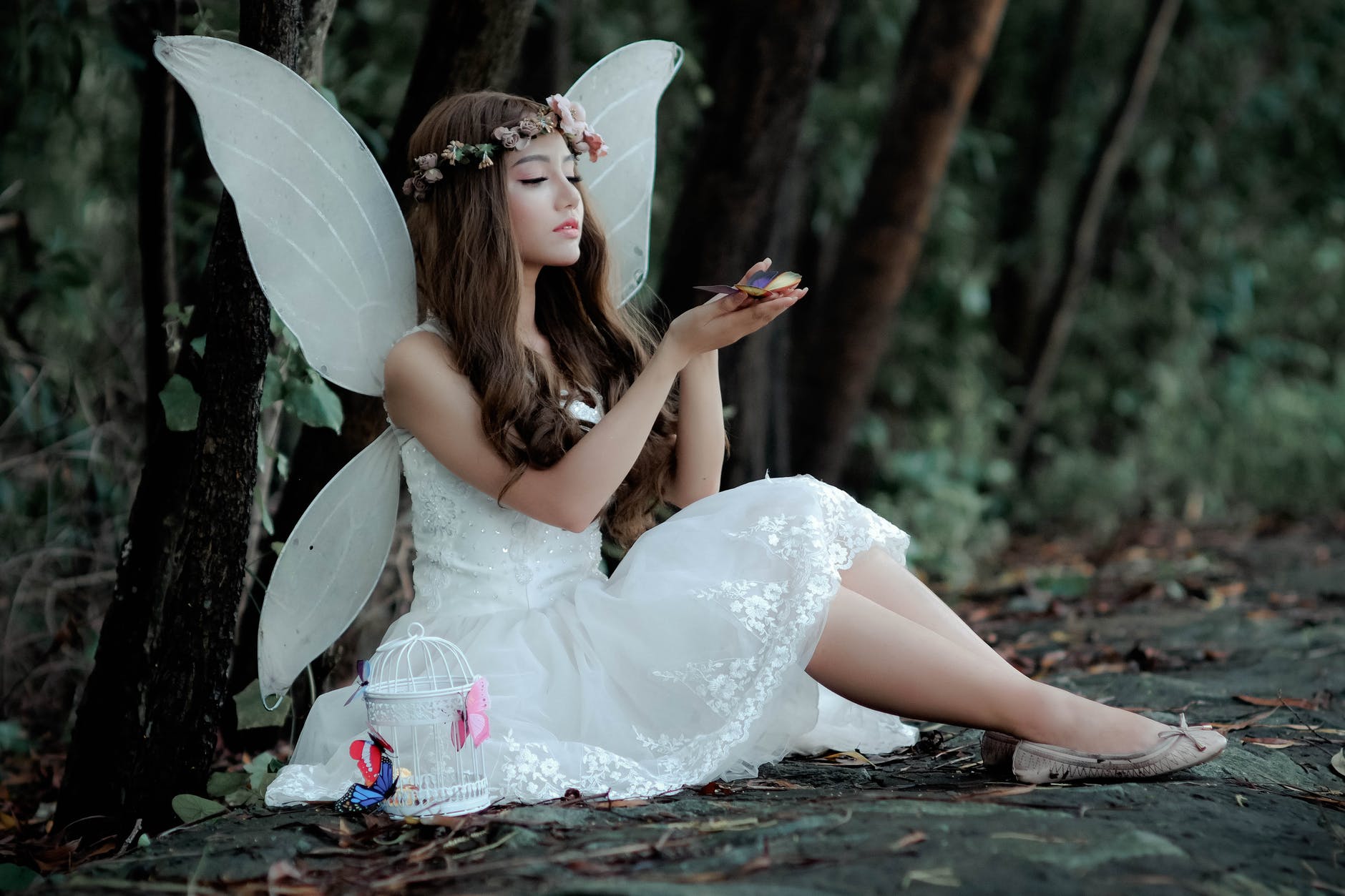
Photo by Tu00fa Nguyu1ec5n on Pexels.com
Tales from the Perilous Realm is fascinating both for reflecting Tolkien’s ideas of both what Fairy Tales are and what they are for, and the essay, “On Fairy-Stories” is itself a fascinating look at a brilliant scholar carrying out a high-level scholarly investigation.
Now, it’s an academic lecture, so it’s not exactly a fun or easy ready, but it’s 1) not nearly as dry as a lot of the academic things I’ve read, and 2) is a great opportunity to learn something, or at least think about something.
Most of the works in Tales from the Perilous Realm are significantly more light-hearted than, say, Lord of the Rings or even The Hobbit. Roverandom (the story about the toy dog I mentioned at the beginning), for example, was written as a story for his kid to console him after he lost his toy dog on the beach.

Farmer Giles of Ham is more or less a parody of traditional Fairy Tales, wherein the eponymous farmer basically ends up the hero of the kingdom, despite his protestations, largely by accident and through superior firepower.
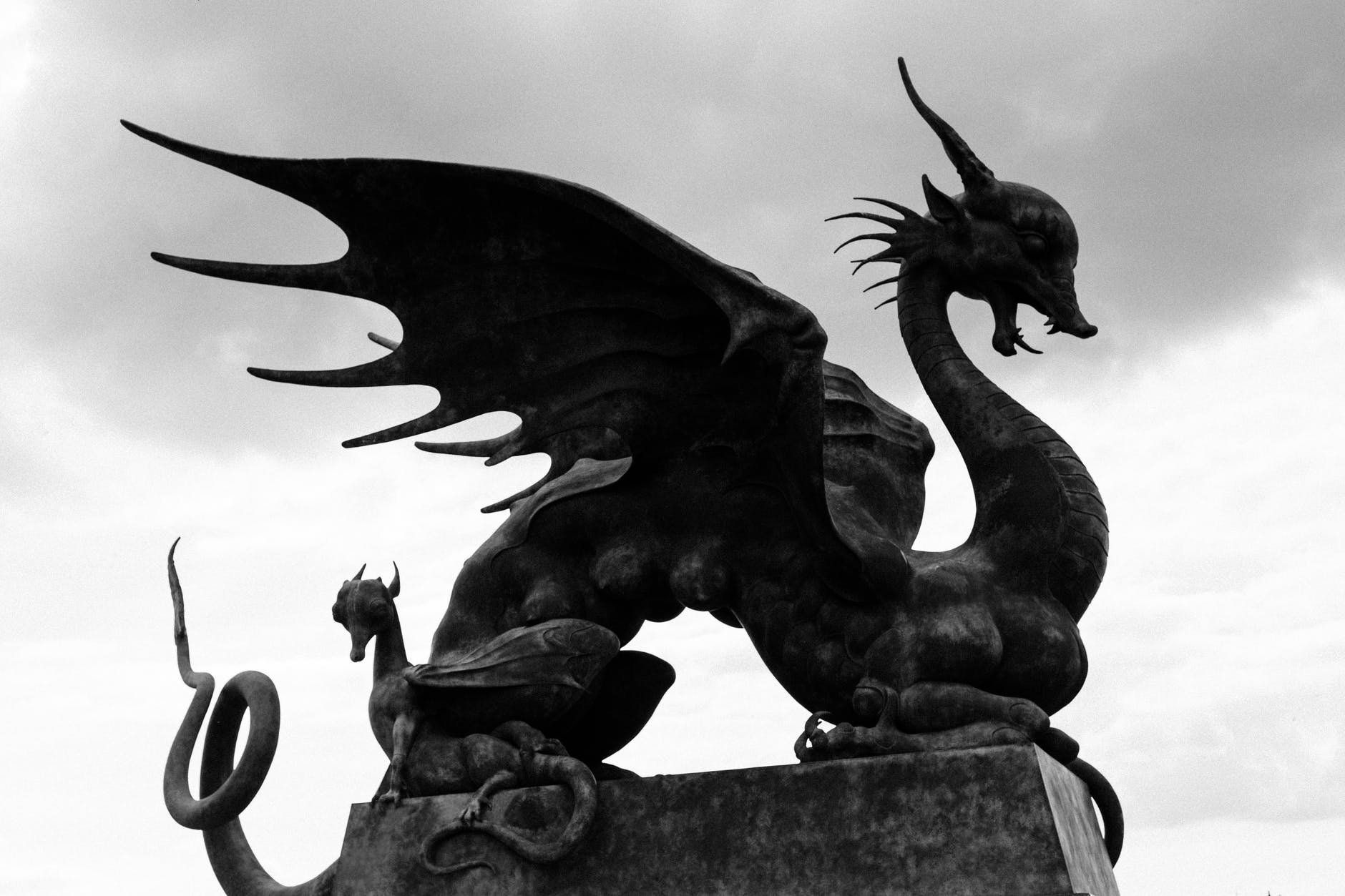
The funny thing is, kids probably won’t be as entertained by Farmer Giles as the adults, and even then a certain level of Classical Education is necessarily to fully appreciate most of the humour. Most of the character names are Latin that it is either deliberately preposterous or used for wordplay, and the narration is full of sarcastic little asides making snide historical or etymological commentaries, the origins of the word “blunderbuss”, for example.
It’s still a fun little story even if you don’t quite know why it’s funny — for example, that the dragon is named Chrysophylax Dives (that’s dee-vays, two syllables, voiced e); it means “Gold-Guardian the Rich”, but it’s a very rewarding story if you do have the reference for the etymological and historical humour and does a lot to establish that Tolkien himself had a huge knowledge base — but, then, of course he did.
Some of the other stories in the collection are more mature and sombre, but still essentially Fairy Tales. They aren’t necessarily kid-unfriendly, but make philosophical statements that will probably go over most kids’ heads. Smith of Wootton Major makes a statement about growing up and losing that sense of childlike wonder and magic, but also on passing it on to younger generations. Leaf by Niggle is a philosophical allegory of the pursuit of art for its own sake and basically (albeit symbolically) ends with the guy dying.
Funnily, enough, Tolkien is often described as taking three pages to describe a tree, something which he never actually does in Lord of the Rings. However, in Leaf by Niggle, going to excruciating lengths to get not even the whole tree, but just a single leaf right is literally the whole moral of the story.
The final part of Tales is The Adventures of Tom Bombadil — a character you’ll remember as the weird dude in the forest who always talks in rhyme. And known, of course, for his yellow boots.

Bright blue his jacket is, and his boots are yellow.“
Though presumably not rubber like these ones…
Photo by Kristina Paukshtite on Pexels.com
Only two of the poems are actually about him, though, written in the same metre he talks in during Lord of the Rings.
The rest don’t really have the same narrative aspect as the two about Tom Bombadil, but they’re all presented as actual, authentic, generally nonsense Hobbit poems from the Shire.
So, yeah, Tales from the Perilous Realm is a neat little diversion from Tolkien’s most famous works, it’s full of silly (and a couple of not-so-silly) little stories worth reading on their own merits, and it offers some amazingly profound literary and cultural insights into stories and story-telling from one of the finest writers and keenest academic minds that has ever existed.

The rest of my Recommendations are here.
If you’ve enjoyed my content, please consider supporting me through Ko-fi or Patreon, or through Paypal by scanning the QR code below:
Follow Realmgard and other publications of Emona Literary Services™ below:
Subscribe to the Emona Literary Services™ Substack newsletter here.

This work is licensed under a Creative Commons Attribution-NonCommercial-NoDerivatives 4.0 International License.
The author prohibits the use of content published on this website for the purposes of training Artificial Intelligence technologies, including but not limited to Large Language Models, without express written permission.
All stories published on this website are works of fiction. Characters are products of the author’s imagination and do not represent any individual, living or dead.
The realmgard.com Privacy Policy can be viewed here.
Realmgard is published by Emona Literary ServicesTM
