The fragmentation of the Empire was sorely felt in its traditional heartland of Natalis, which entered into a long period of decline and disorder. Notably, the region has not been unified under one political order since the Elven Empire fell.
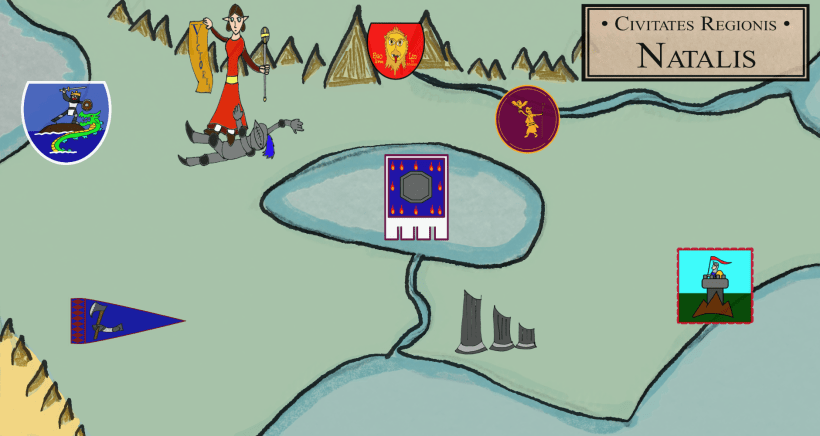
The fragmentation of the Empire was sorely felt in its traditional heartland of Natalis, which entered into a long period of decline and disorder. Notably, the region has not been unified under one political order since the Elven Empire fell.

Once a heartland province of the ancient Elven Empire, previously fragmented into warring local kingdoms, now consolidated into three neighbouring states.
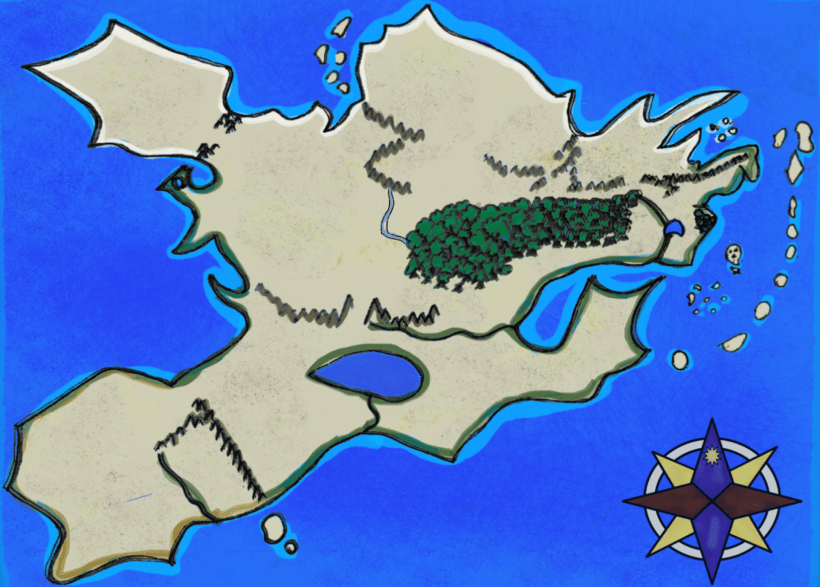
As one of the largest continent in Terrace, Realmgard's comparatively expansive landmass and diverse geography has historically facilitated the rise and development of distinct, diverse cultural groups throughout the continent.
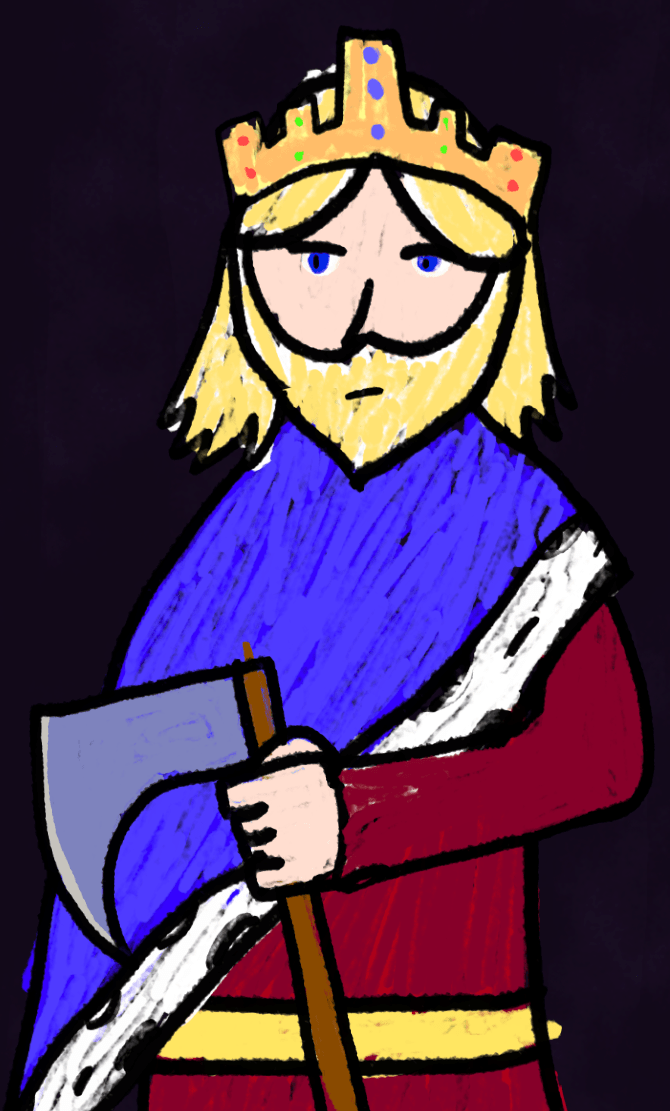
Lambert is known to history most commonly as “the Conqueror” and “the Founder.”
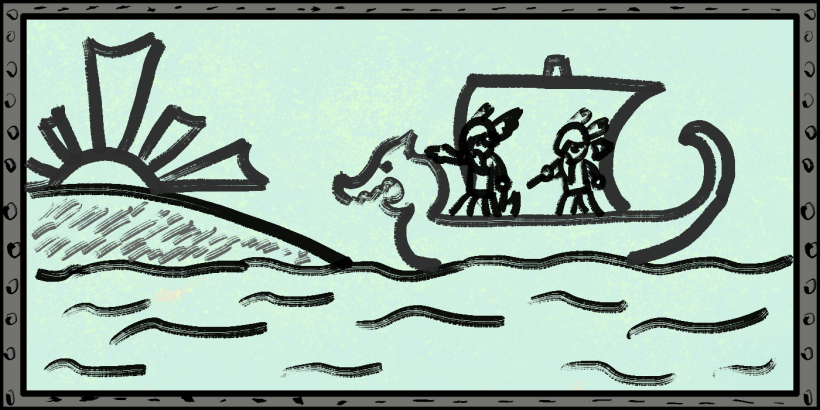
The largest group of refugees was led by the twin chieftains Helgi and Hunding, who turned their attentions to the vast fertile lands of the Kingdom of the Gallicantu.
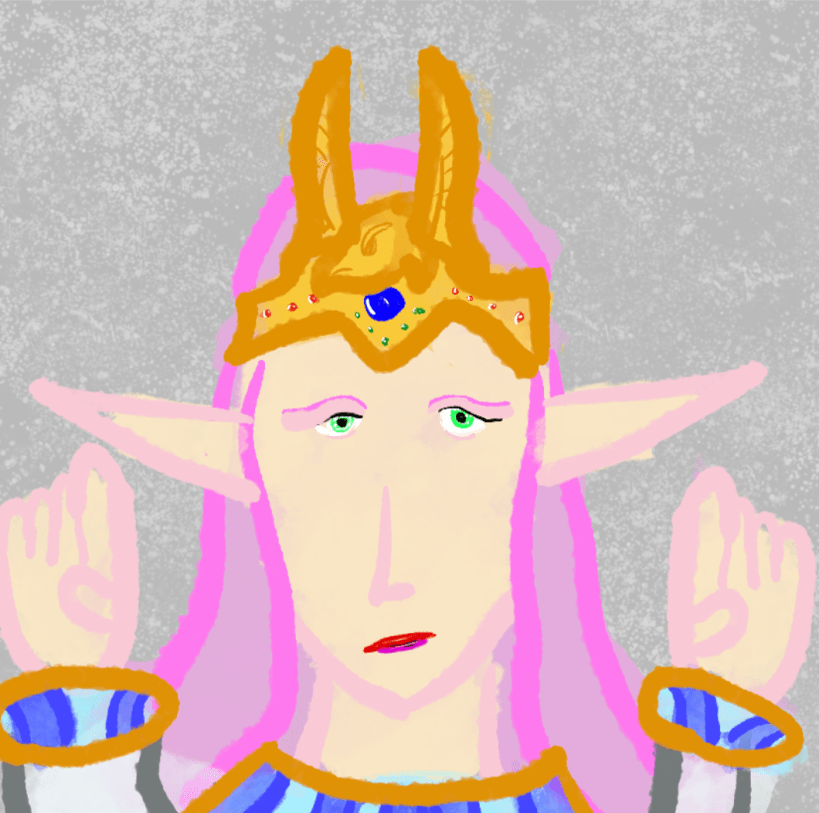
The mystery surrounding Queen Antiocha’s presumed death has confounded scholars and inspired poets for generations and has done much to contribute to the Queen’s legendary reputation and enduring popularity with poets and storytellers.
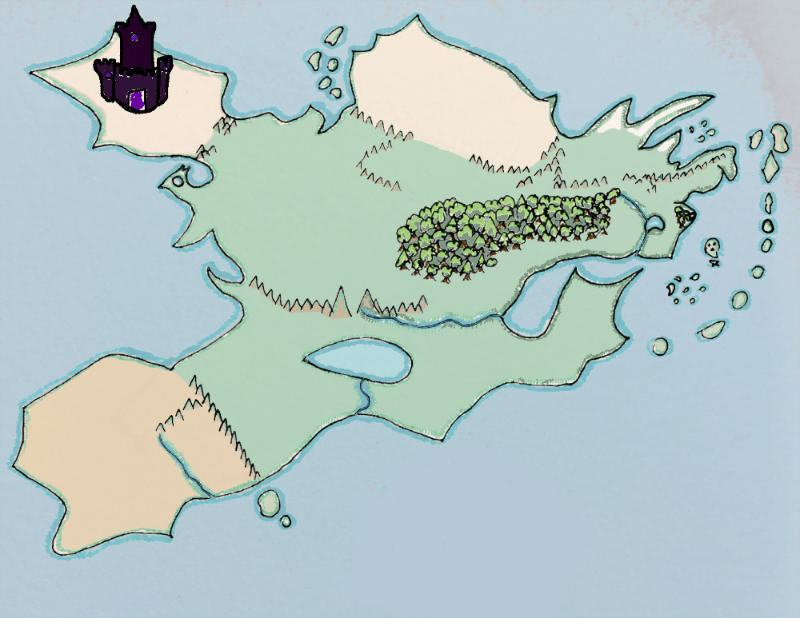
The imposing fortress now known as Castle Ansangaar has long been recognised as a place of significant magic power.
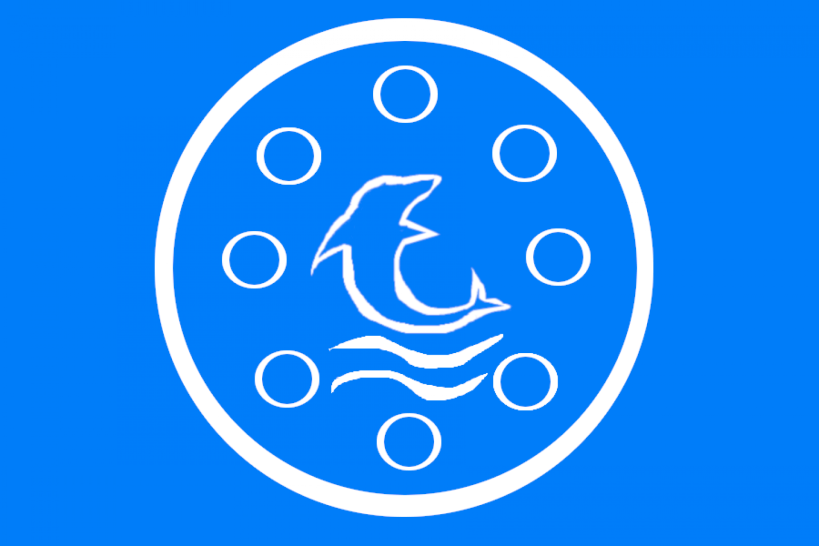
Just ignore that "Port" and "Haven" mean the same thing…
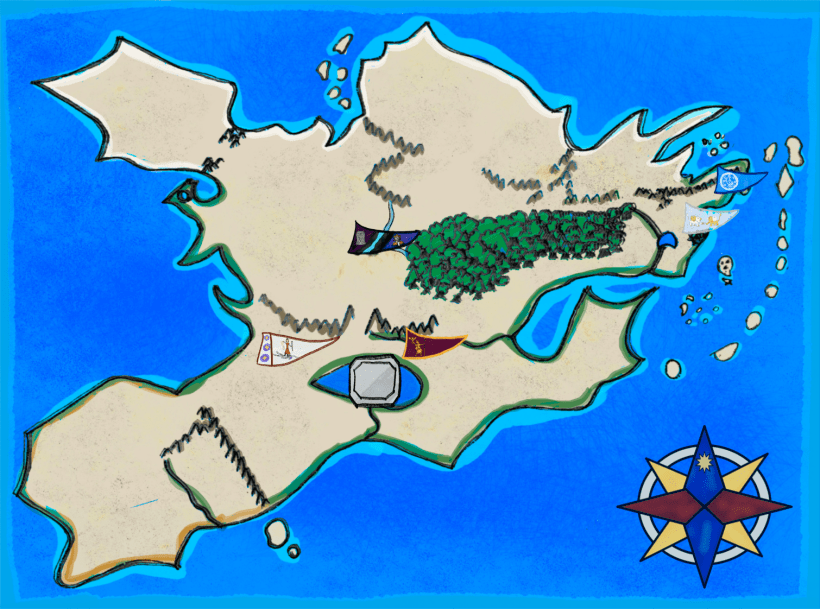
Progress on the map of Realmgard continues to progress.
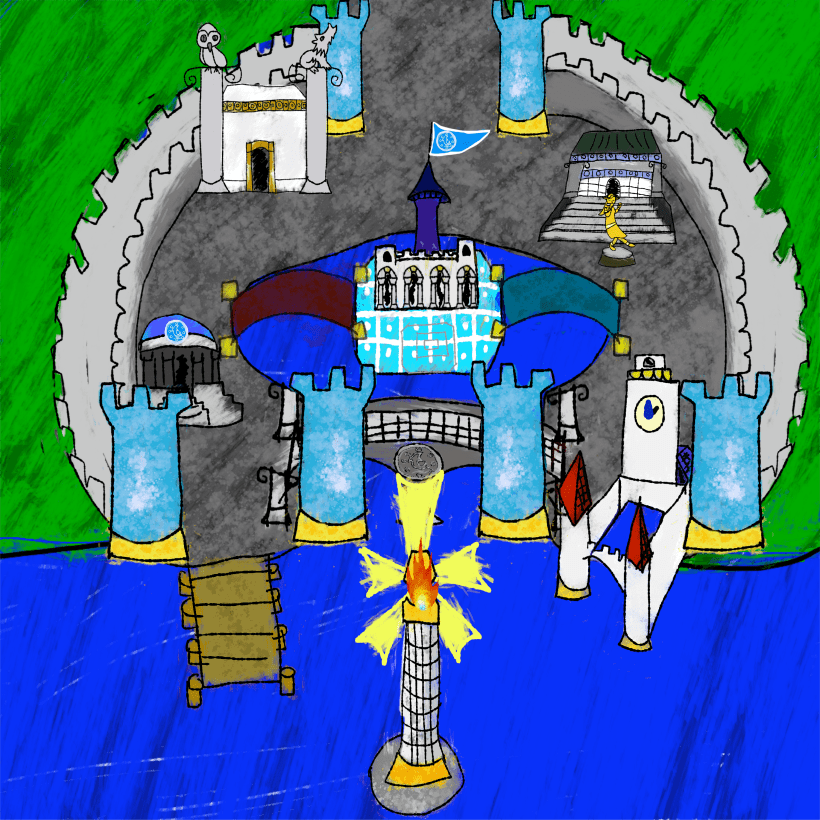
The Free Mercantile City of Porthaven has never looked better. Or more circular...
