Nainen's Lamp is largest known diamond in Realmgard and remains one of the most famous individual gemstones in the continent.
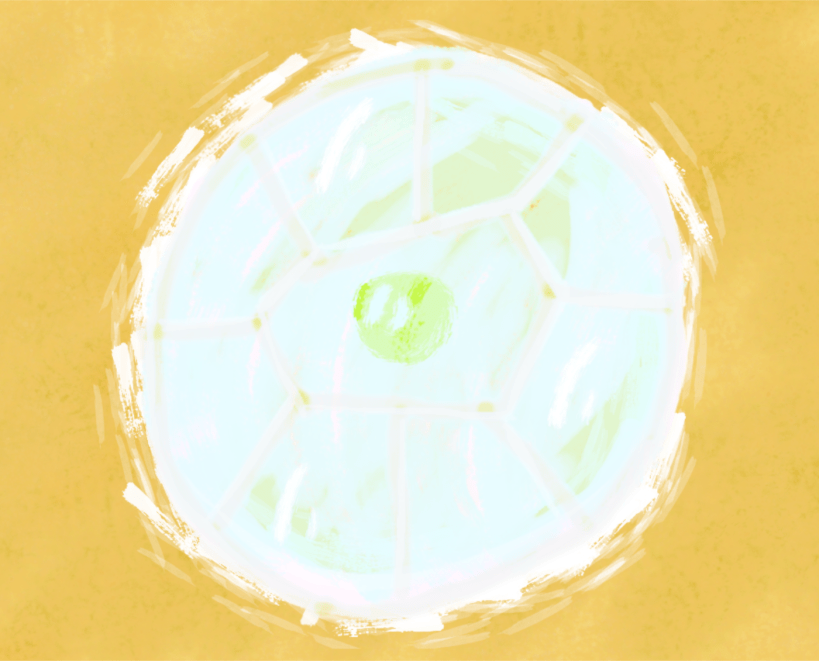
Nainen's Lamp is largest known diamond in Realmgard and remains one of the most famous individual gemstones in the continent.
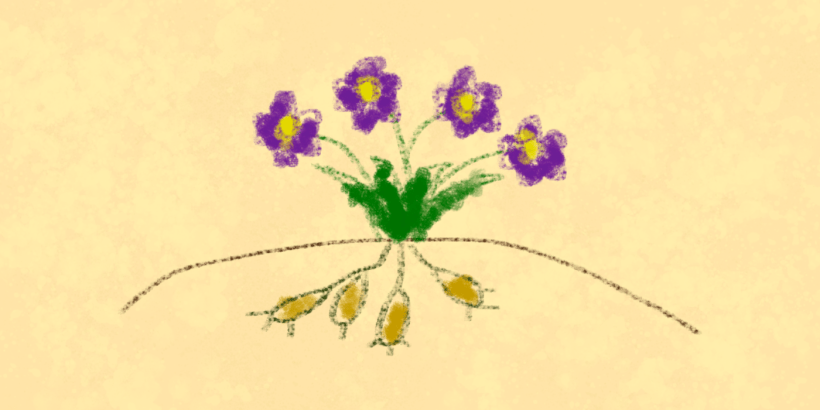
The workhorse of Realmgardian alchemy.
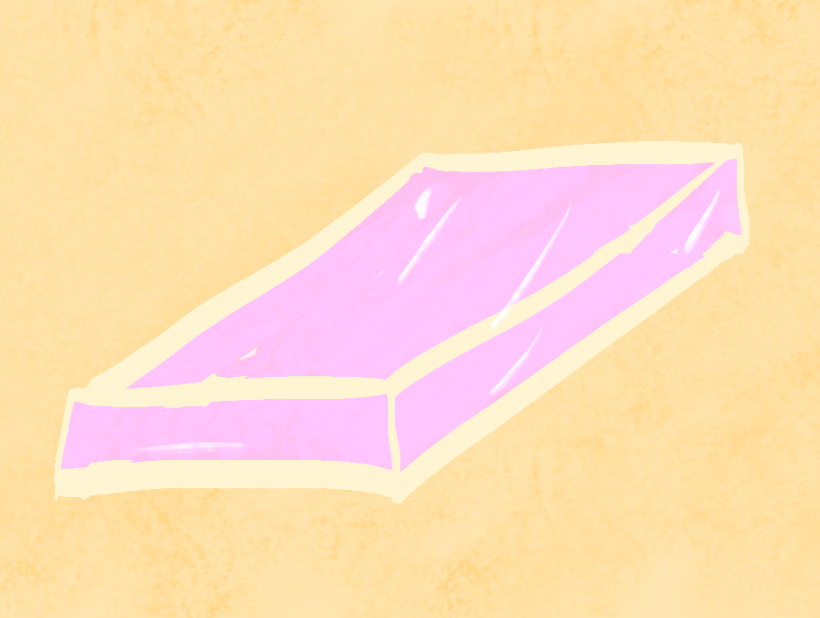
Known for its pale pink-hued colour, orichalcum is one of the most sought-after metals in Realmgard. Due to both its aesthetic and material properties, orichalcum is widely used for both artistic and practical applications.
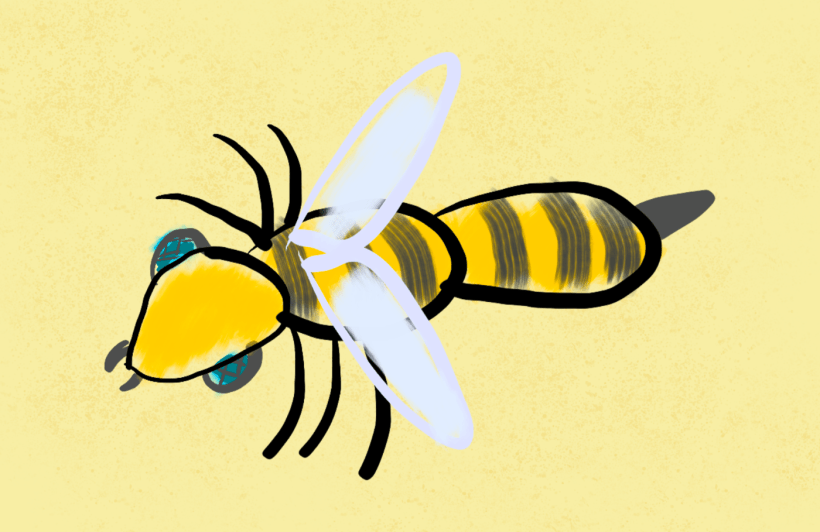
Legally protected by statute in the territory of Porthaven due to the belief that the species is endemic exclusively to Oake Island, the Oake Island Hornet is an alarmingly large but unusually docile species of hornet.
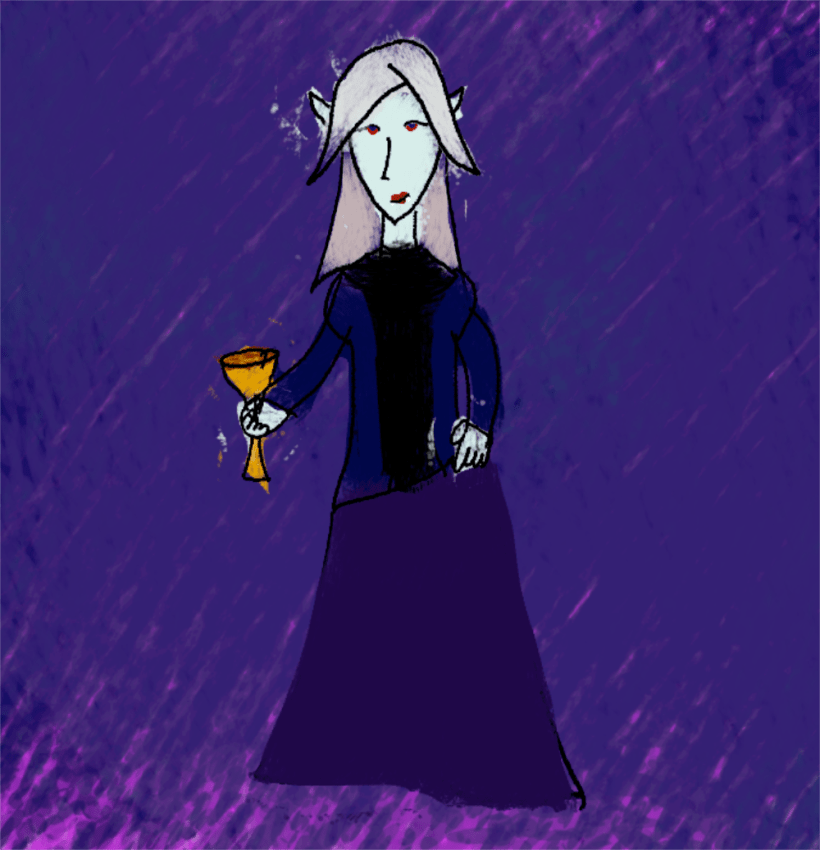
The existence of Vampires in Realmgard is not disputed — except perhaps by particularly stubborn or eccentric contrarians. However, few people in Realmgard will ever knowingly cross paths with a Vampire.

While not located at the exact geographic centre of Realmgard, the forest known as the Midwood is fairly close to the exact middle of the continent, as well as being located more or less equally from Realmgard's north and south extreme points. Thus, the Midwood is so named for its location in the middle of Realmgard.
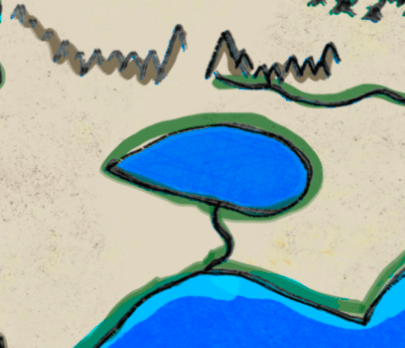
Notably both geographically as the largest lake in Realmgard and culturally as the location of several of the most important religious sites in Realmgard, the Sea of Origo is one of the continent's most famous natural features.

In Realmgardian geography, the conceptual line drawn to divide Terrace into eastern and western halves most often runs through Middelmere. Relative to this, the island nation of Yamatai is reckoned as the easternmost known landmass on Terrace.
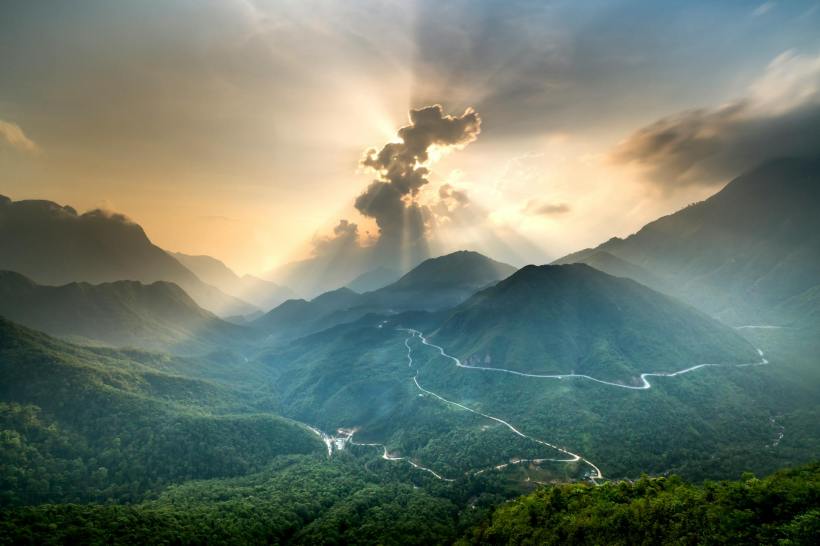
Luckily, we're most of the way through the month, because I'm running out of ideas…

Dominating the landscape just outside of Middlesbrooke, the small mountain known as the Brorvonberg is a popular subject for art and poetry in Middlesbrooke.
